
Panchayat

A Panchayat is a group of elected representatives who are responsible for carrying out the administrative functions of Panchayat Raj institutions. In the case of a Grama Panchayat, it is the main body responsible for implementing the decisions of the Gram Sabha and managing the day-to-day administration.The main components of a Panchayat are:President: The head of the Panchayat. The President presides over meetings and supervises the overall functioning of the Panchayat.Vice President: Performs the duties and responsibilities of the President in the President’s absence.Ward Members: Elected representatives from each ward of the Panchayat.Standing Committees: These are sub-committees formed to facilitate decision-making in various areas such as finance, development, welfare,...

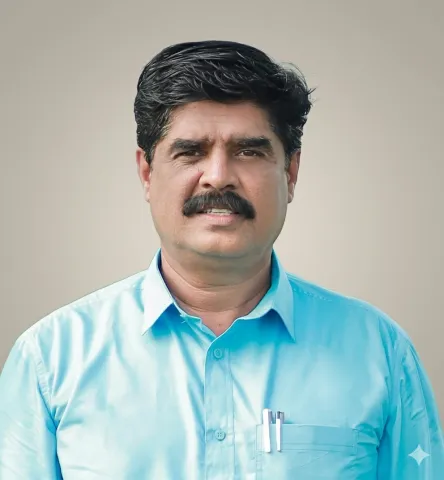
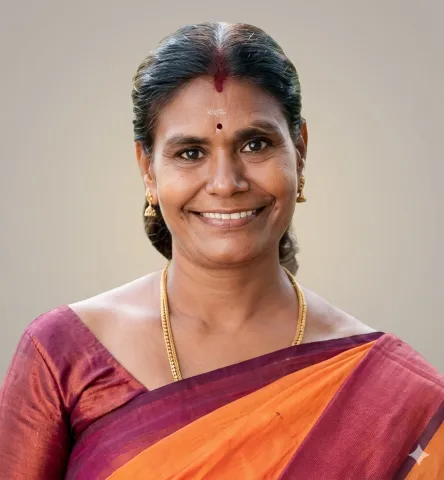
Pramod A P

President

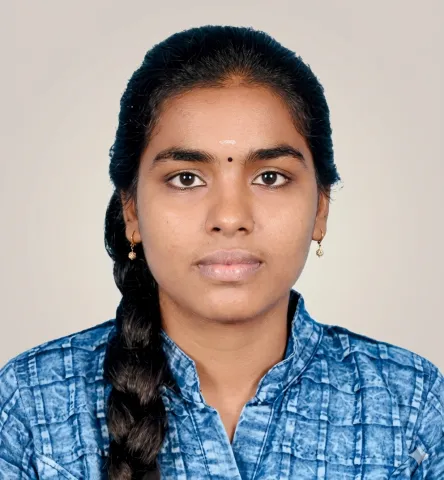
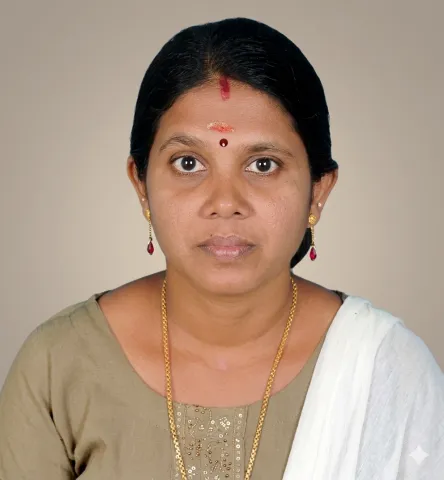
Greeshma

Vice President & Chairman Standing Committee for finance

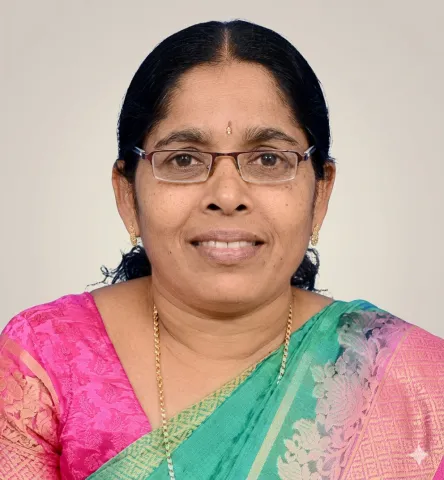
Keralakumari K M

Chairman, Standing Committee for development

Preethamol

Chairman,Standing Committee for Welfare

Praseetha

Chairman,Standing Committee for Health and Education

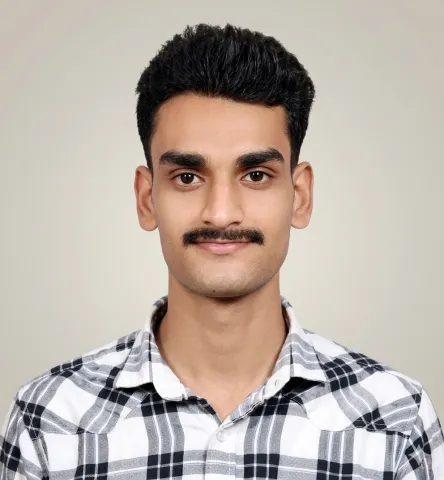
Aftab S

Secretary, Grama Panchayat

About Us

At a glance

Location: Alathur Taluk, Palakkad District, Kerala.

Wards: 18, Legislative Assembly Constituency: Tarur,

Parliamentary Constituency: Alathur

Villages: Perungottukurissi I & Perungottukurissi II

Total Population (2011): 23,234

Area: 31.45 sq. km

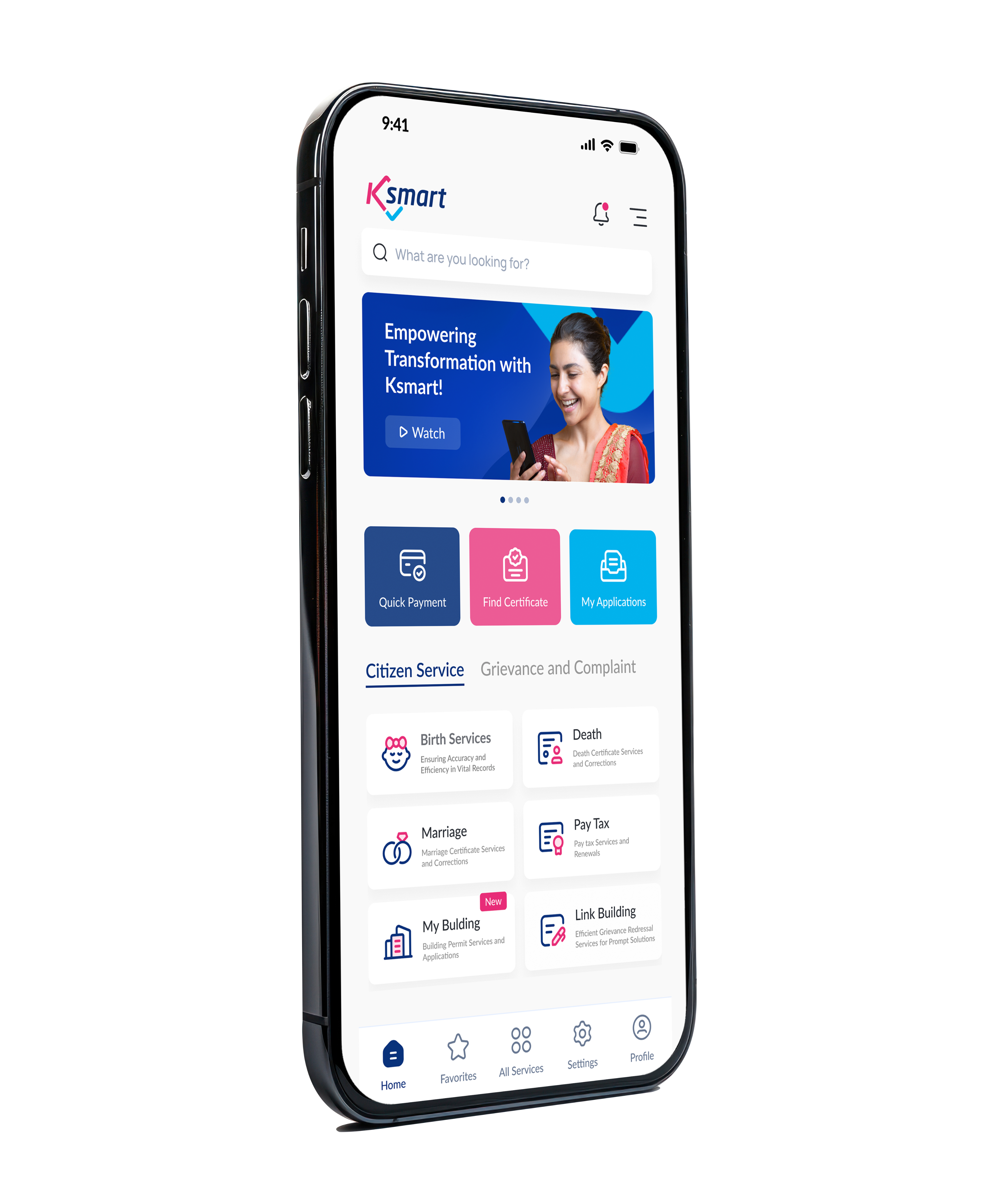
K-SMART App

K-SMART - Mobile App

Download Now

decorative icons

History of Grama Panchayat

Almost all Hindu communities—such as Ezhuthachan, Thandan, Chetti, Panar, Parayar, Nairs, Mannan, Cheruman, Vadukan, Nayadi, Kushavan, Kumbalan, Vishwakarma, Kalarikaniyar, Kuruppu, Aaji, Andhras, Pandaram, and Ezhavas—along with followers of Islam, have been inhabiting this region since ancient times. The Agrahars (settlements of Brahmins who adopted Tamil as their mother tongue) and the Tharas (traditional residential clusters of each community) have not completely disappeared even today. Unlike other parts of Kerala, a unique feature of this area was that each community lived together in distinct clusters. Every section had its own separate places of worship, ponds, and wells. Celebrations, weddings, and other rituals were conducted exclusively by each group, with no...

Read More